
Collaborative engagement, shared assessment and supportive care
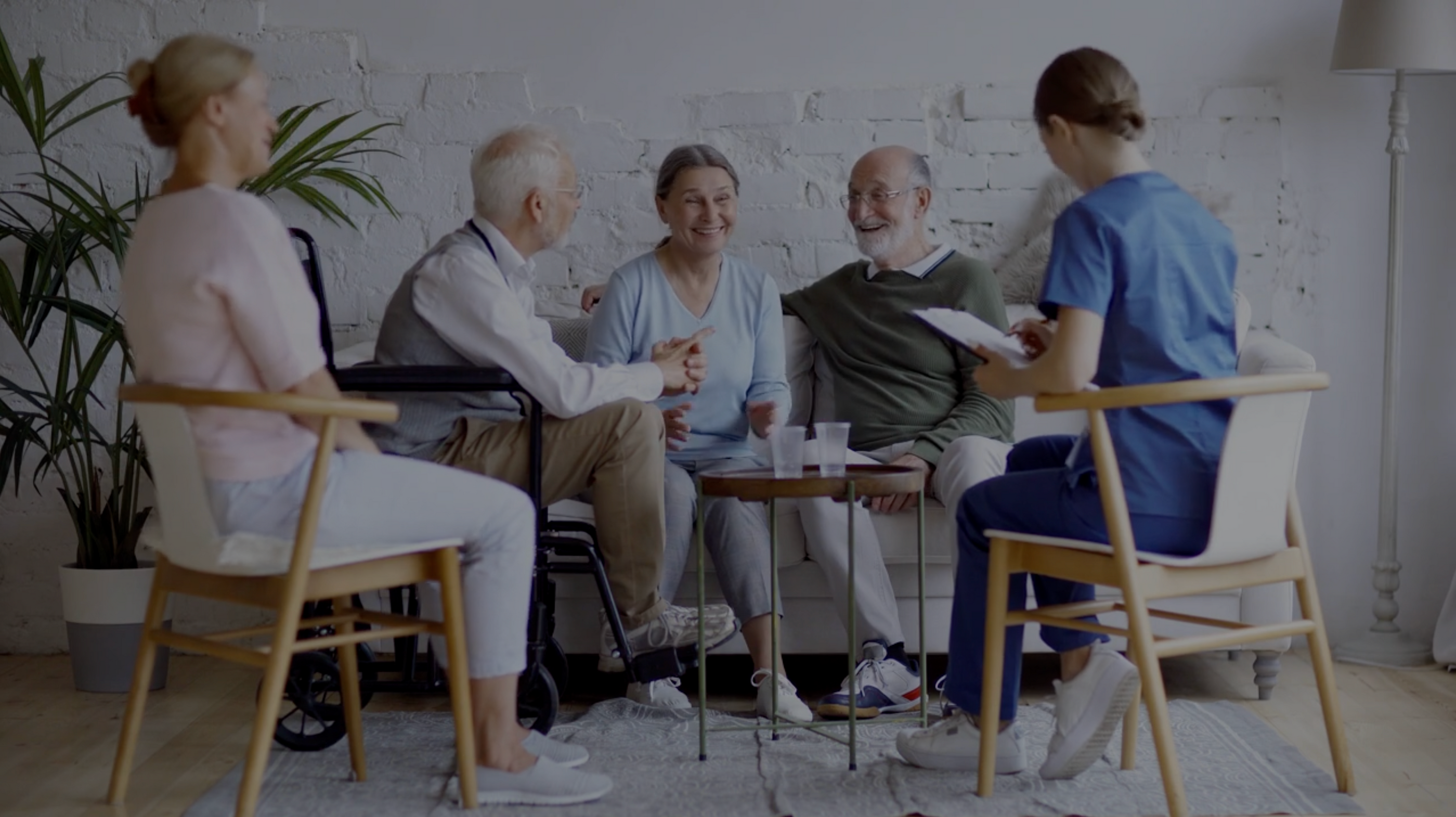
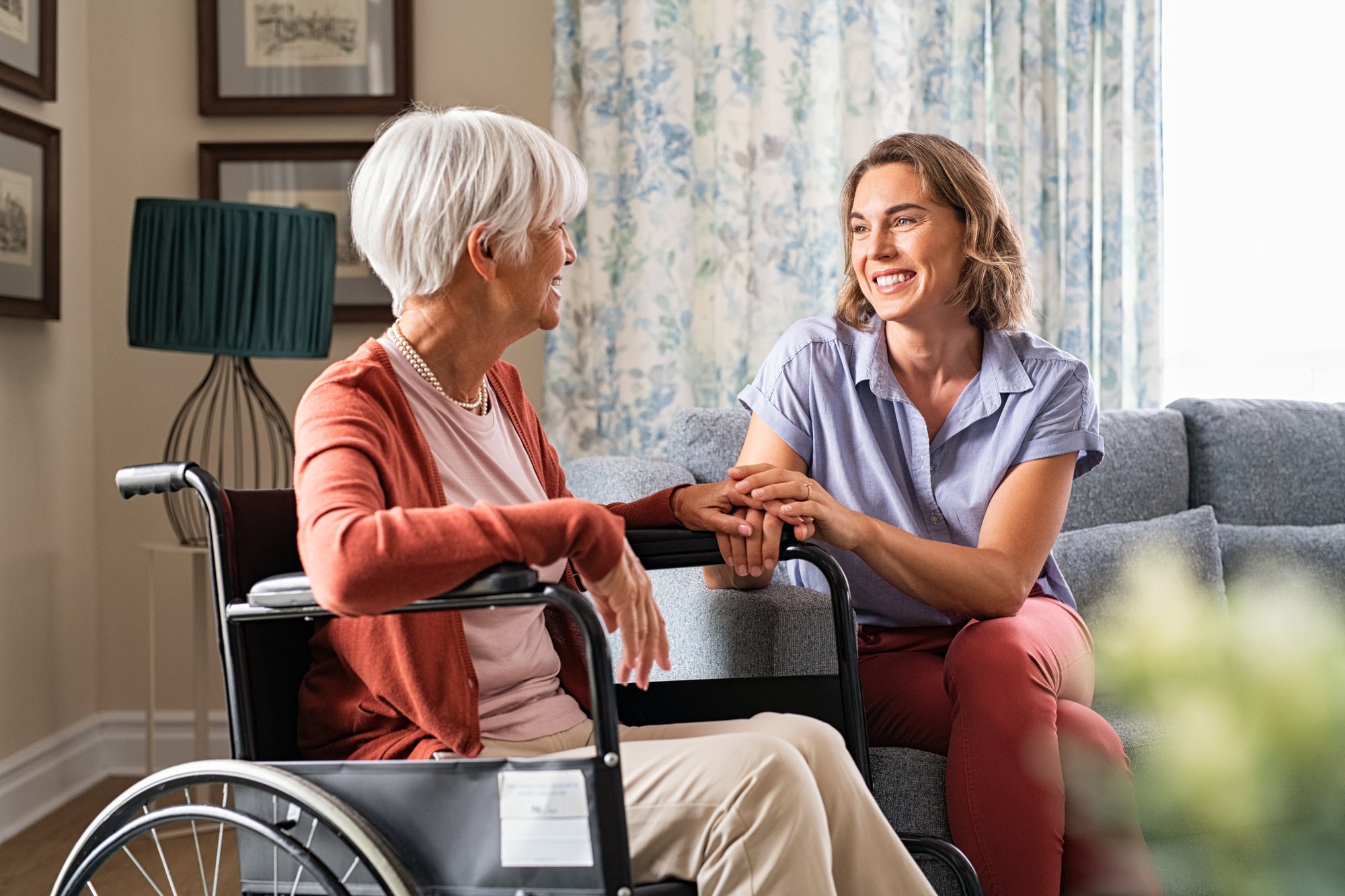
PIECES is a holistic, evidence-informed, Team approach to shared assessment and supportive care with older Persons at risk or living with complex chronic conditions.
Team always begins with the Person and Care Partner, and includes all Team members working in collaboration to achieve shared goals, within and across care settings.
Introduction to the PIECES Approach
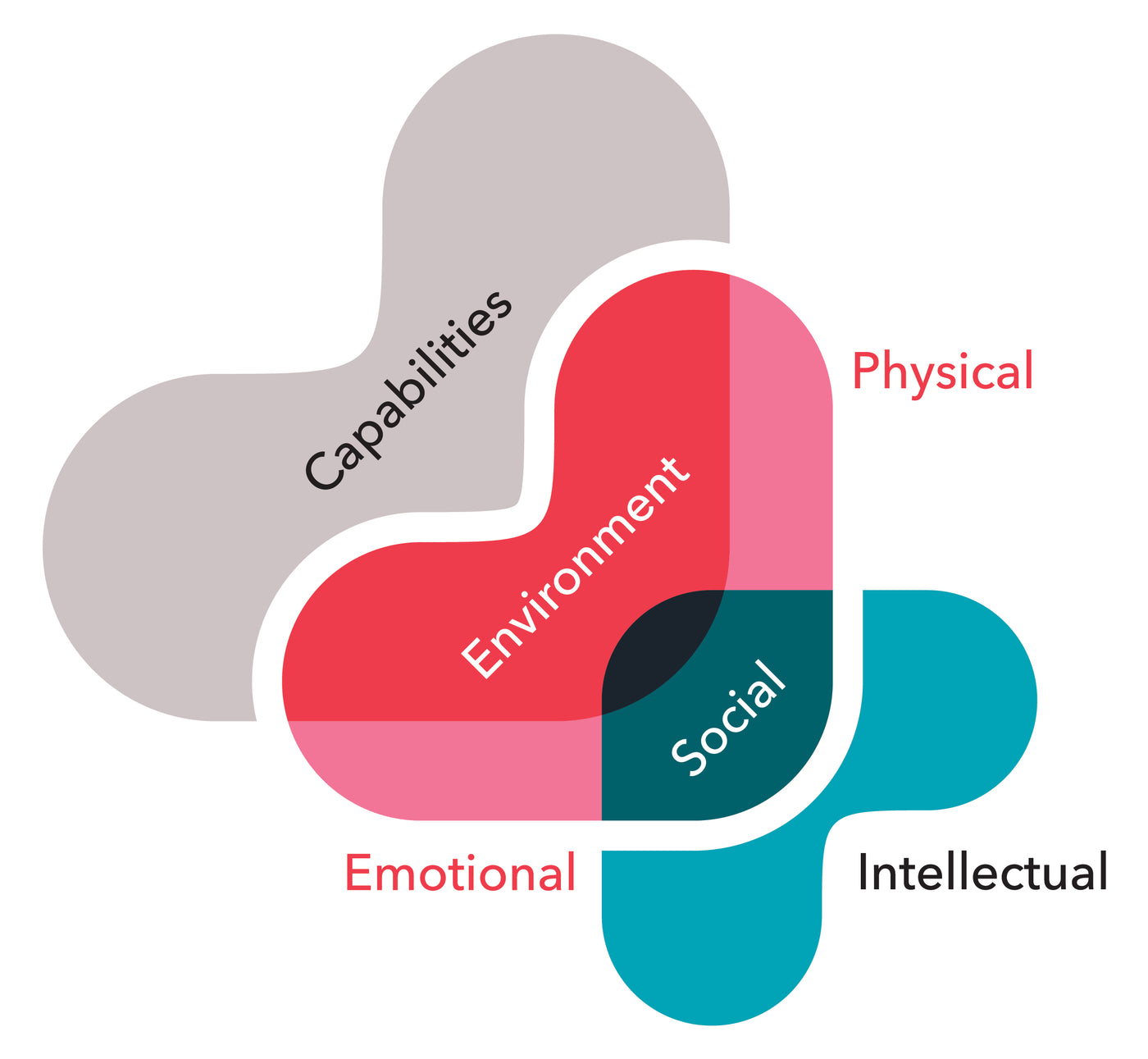
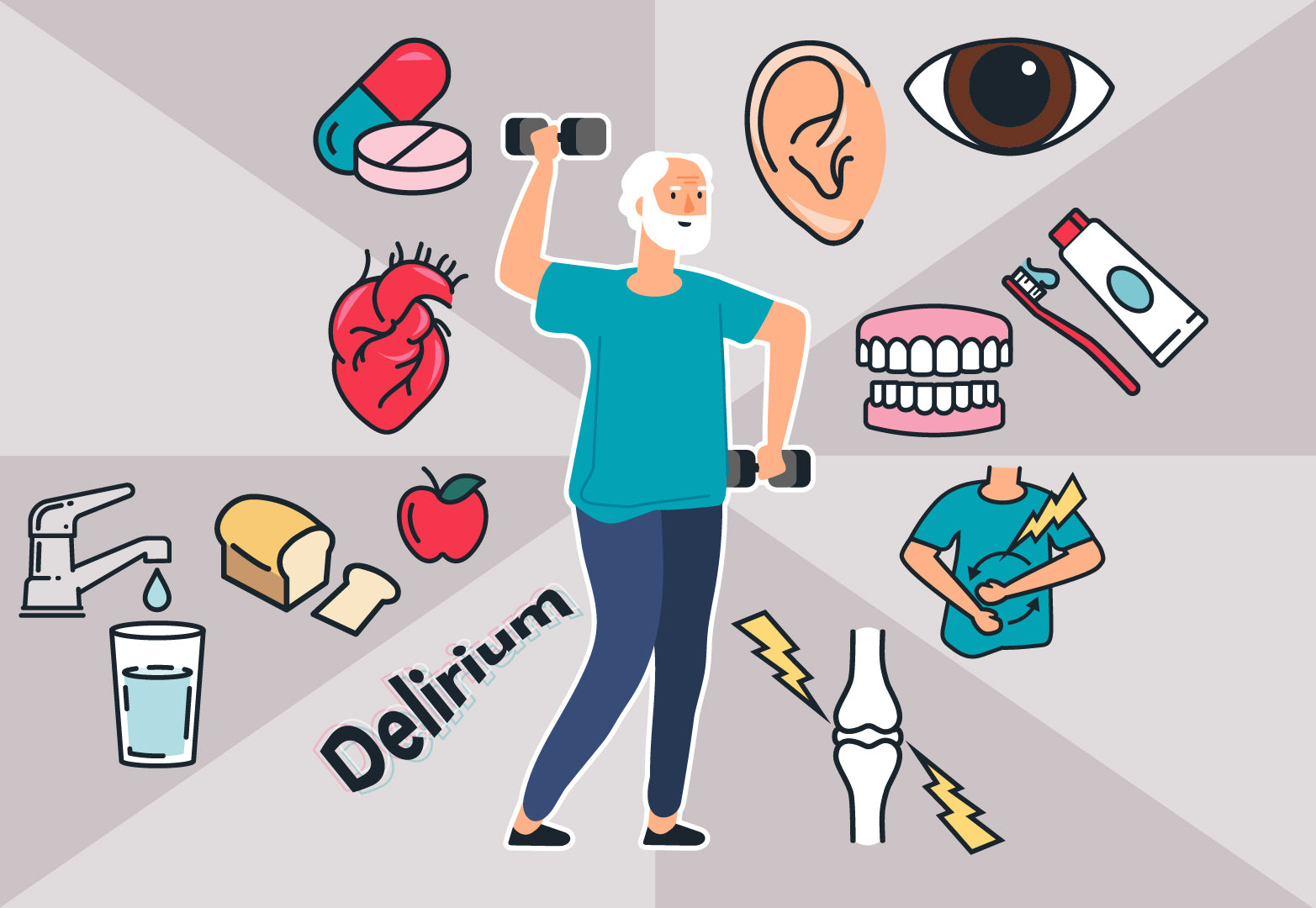
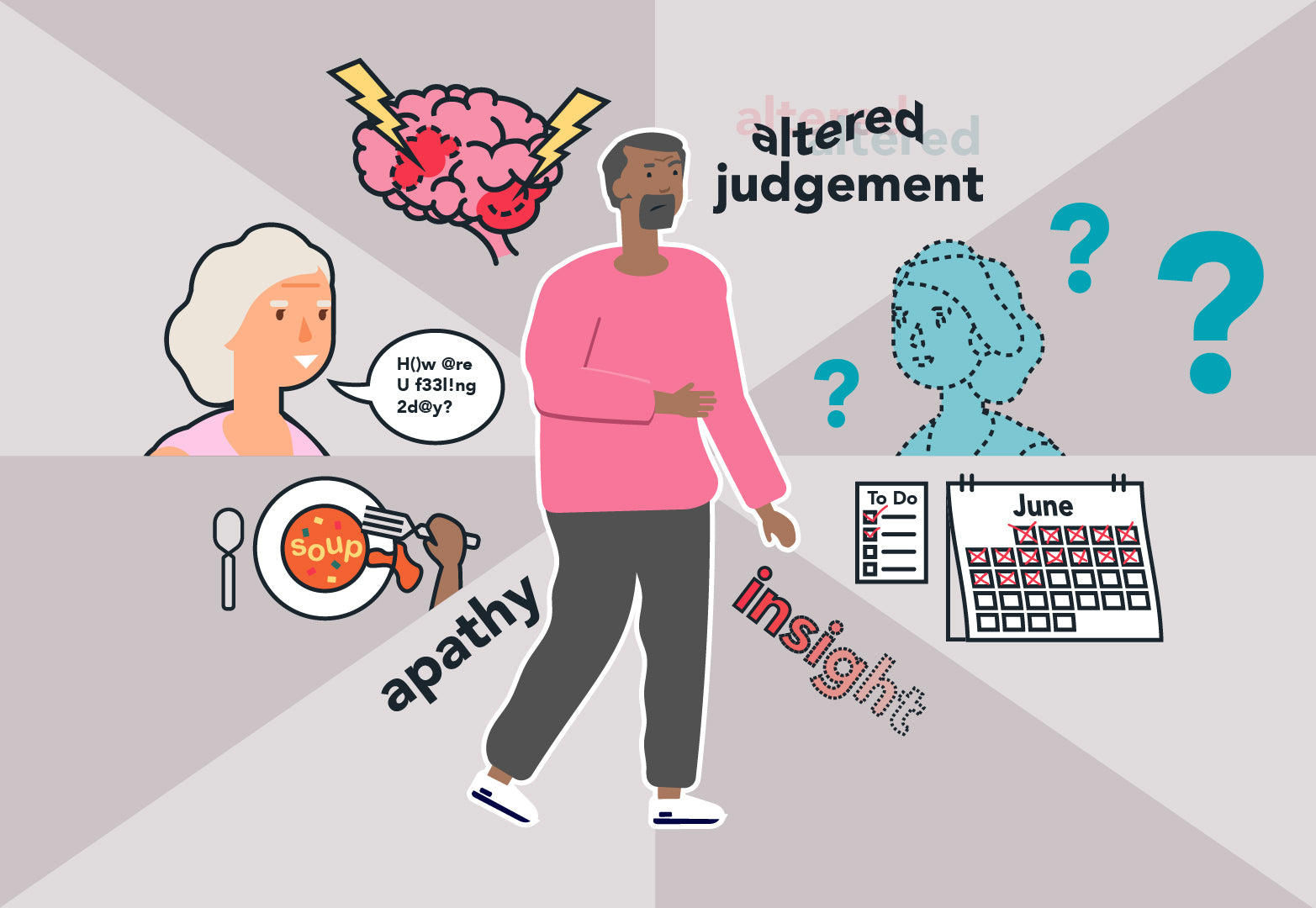
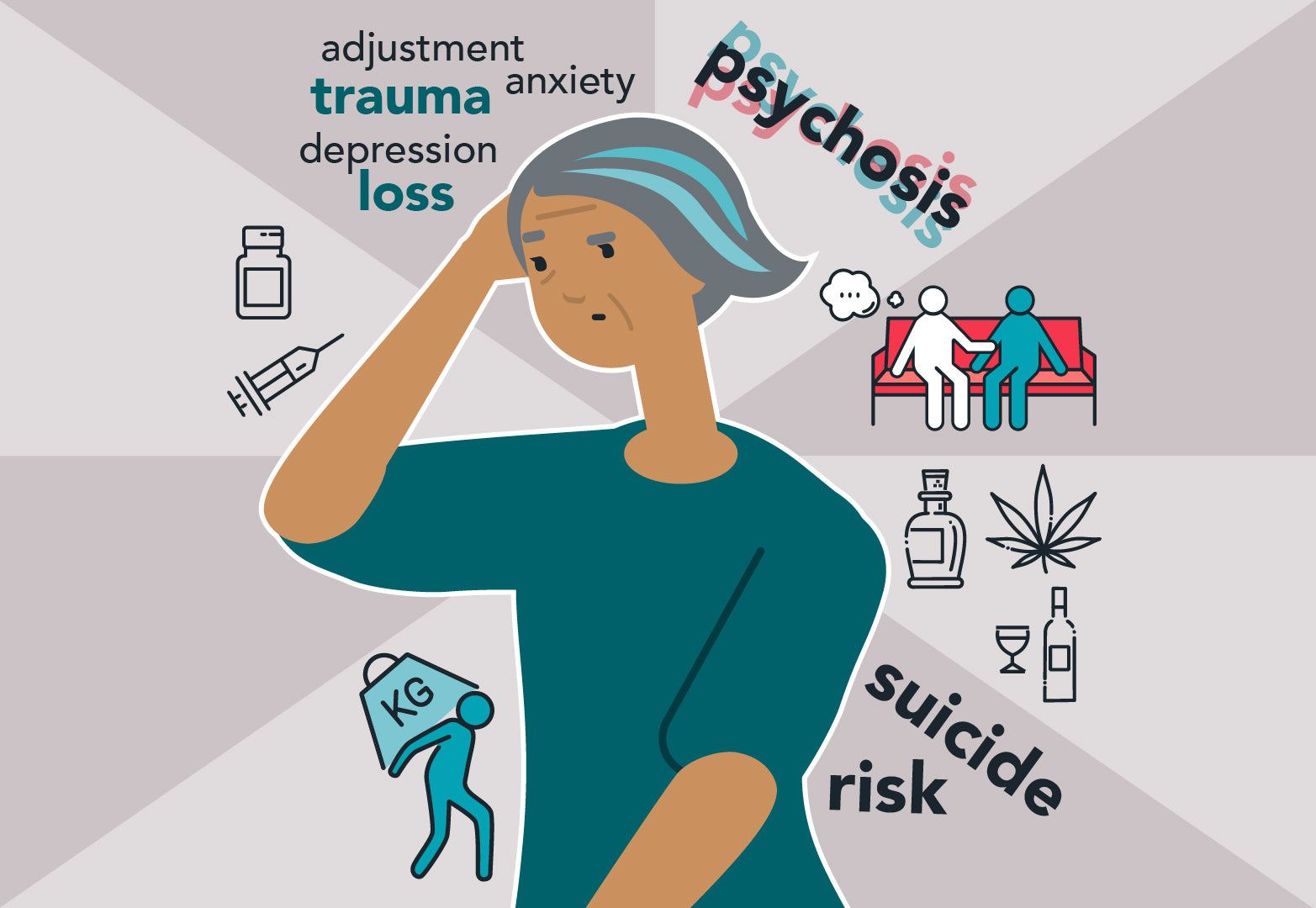
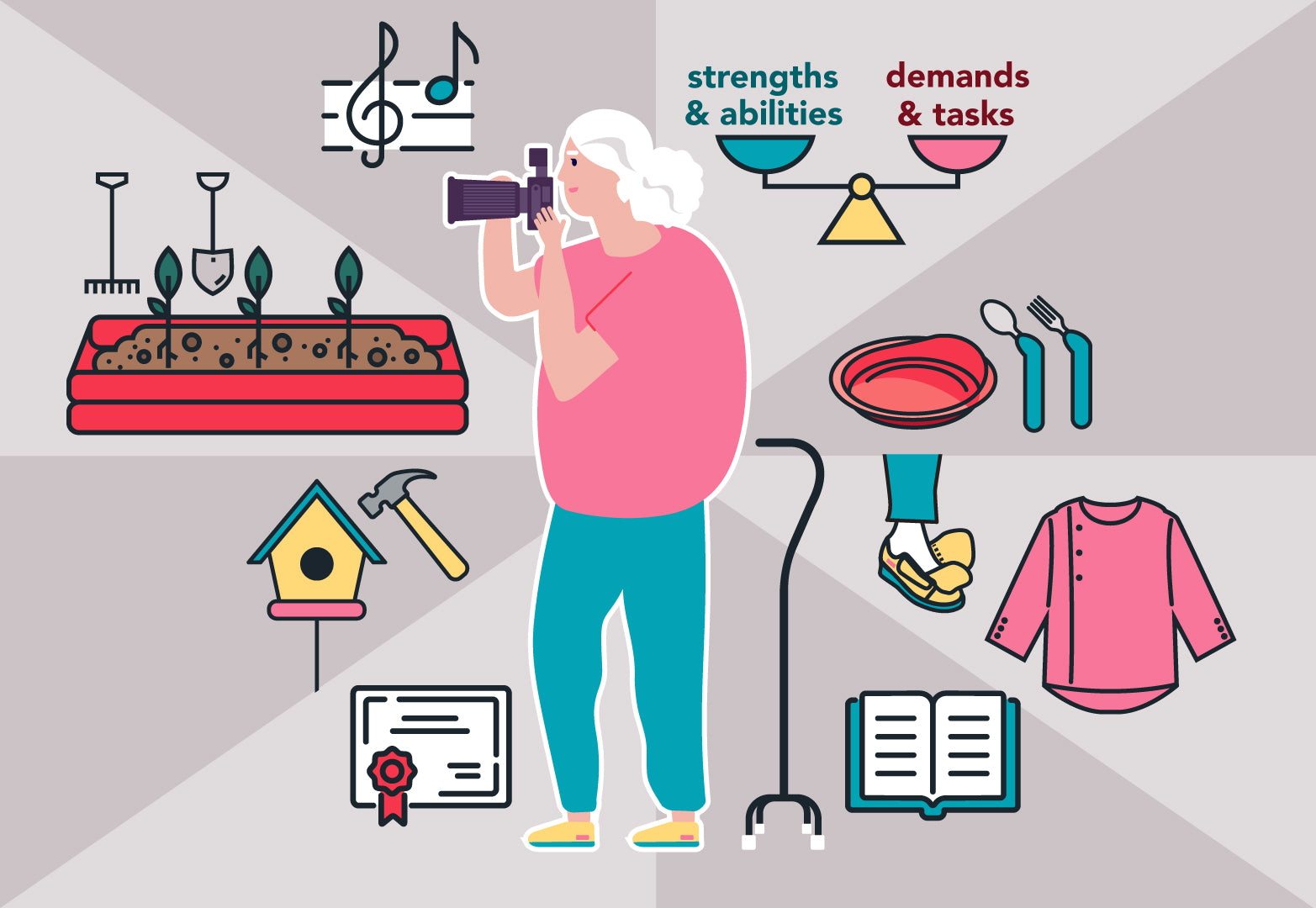
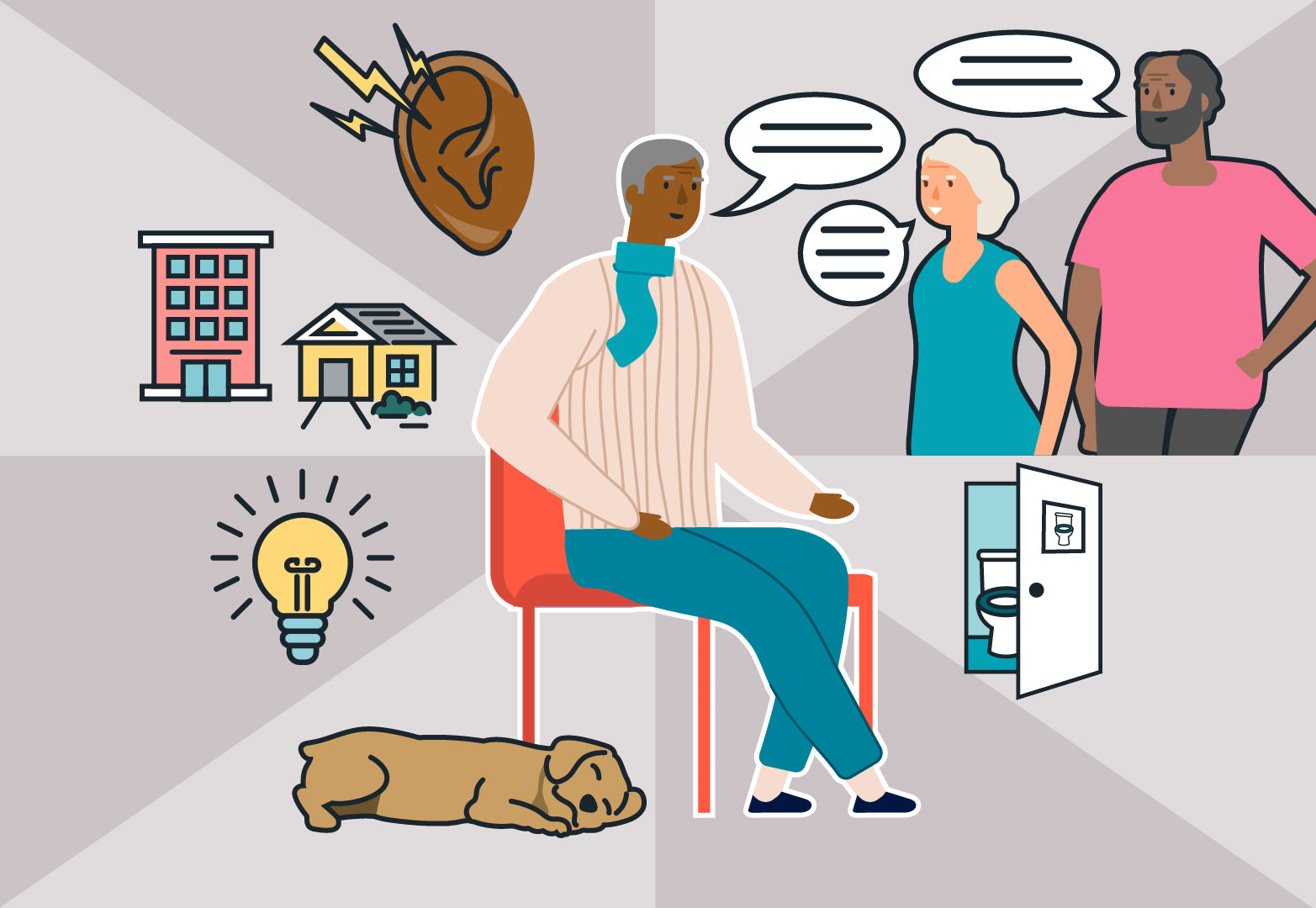
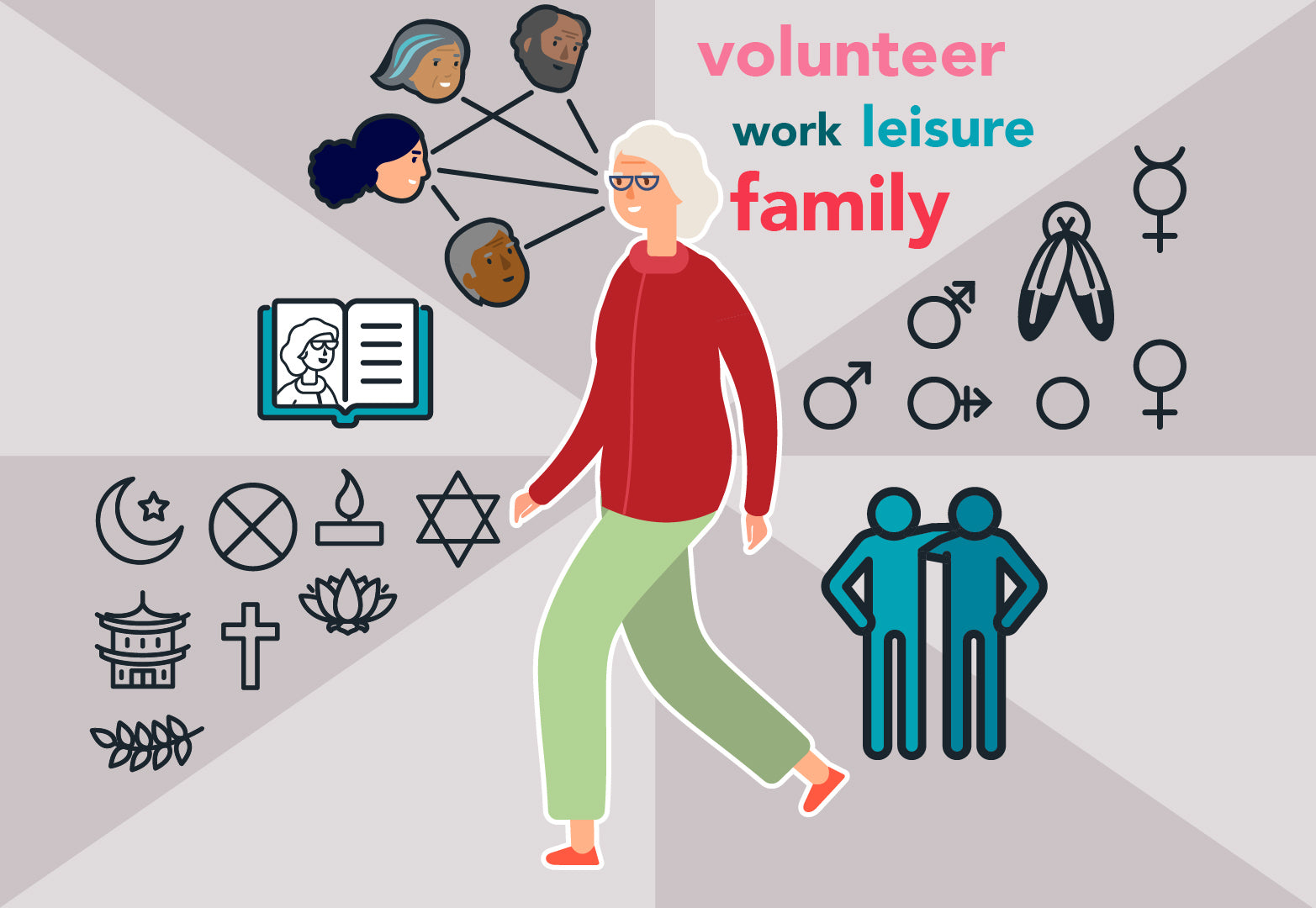
The PIECES acronym informs the Team approach to understanding possible contributing factors of behavioural expression and how they might interconnect; avoiding assumptions, ensuring all domains of the Person, including their unique needs and strengths, are considered.

Learning and Development Program
The PIECES Learning and Development Program provides health care practitioners across the continuum of care with a practical, evidence based approach to guide collaborative engagement, shared assessment, and supportive care with older adults at risk or living with complex chronic conditions.




I took PIECES about 15 years ago, taking it again was so beneficial! Got me out of a rut, plus has inspired me to use the WHOLE team, not just my "go to" staff. I am hoping to take the "team approach" to a whole new level on my unit, with the goal of bringing a new attitude and atmosphere on the unit.
The PIECES Resource Guide will occupy a prominent place on my office bookcase!
The PIECES approach helps me to stay focused on the priority concern while ensuring that I consider the person as a whole. Without this person-centred focus, it is so quick to jump to assumptions and put strategies into place that likely will not be effective or engage the team in shared solution finding. PIECES is the cornerstone for behavioural care with older adults living with complexity.
The overall training was excellent. I wish I took it sooner. I will recommend the training to all that will benefit. The integration of the job aids and resource guide was not difficult and was easy to follow throughout the program.
Excellent, the use of multiple stories during the education series helps deliver the importance of viewing the person as they were, and as they are now, and applying this to the PIECES framework.
The experience of PIECES training using the Virtual platform far exceeded my expectations. The mix of small and large group sessions was a great way to participate and get to know the experiences and expertise of other participants. Our Educator Team was excellent. Their enthusiasm, knowledge and commitment to the PIECES program was an asset to my learning experience. I would highly recommend this program to other colleagues

Our partners

Subscribe to our newsletter
Stay tuned. Subscribe to receive news and updates directly to your inbox.